PARENTS-BABYS
A lifelong adventure, built step by step.
What does it mean to be a good parent?
What has my baby been through?
Who is he ?
What are his needs?
Parent-baby support
During my work in the obstetric unit, I realised that neuroscience had, since the 1990s, shaken up all our points of reference when it comes to becoming parents in a fast-moving world. Confronted, during childbirth and in the days that followed, with the majority of parents who were lost at the idea of becoming parents, I said to myself that something had to be done. Pregnancy, becoming a mum or dad, giving birth... nothing is the same as it was in our parents' or grandparents' day. Some of their advice is now obsolete due to scientific discoveries about the development of babies, from the embryonic stage through to infancy.


So I started studying everything to do with babies and their parents, to understand the loss of meaning that parents feel towards their children these days. Science is still advancing, fortunately so, but the information given to the general public is often couched in overly technical, medical and sophisticated language. As a result, no one can make sense of it...
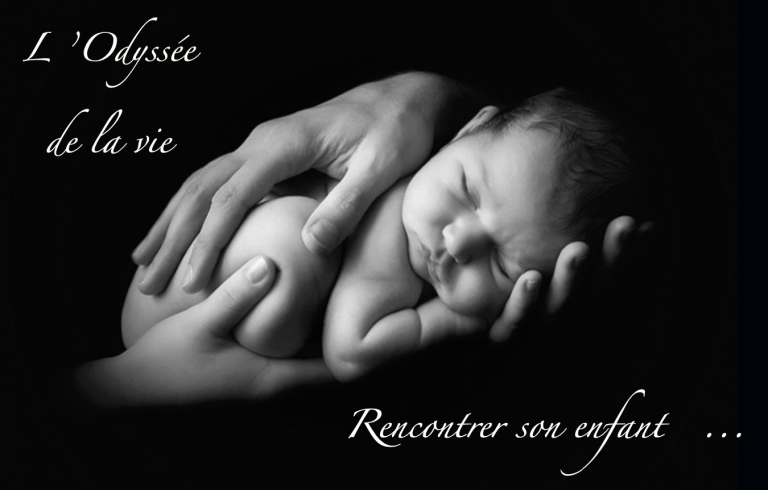
After years of working in this field, I received many requests from young parents for me to accompany them. They wanted me to explain to them in simpler terms what it means to be a parent, how to meet their baby, how to find their role as mother or father and how to educate their child in a fast-moving world that requires them to adapt to their environment. Brain plasticity, coaching, attachment, breastfeeding and listening to yourself are the basis for avoiding getting lost in this labyrinth. The aim is to find personal fulfilment so that you can help yourself and your child. The aim is to become a role model for your child, so that its mirror neurons stimulate its DNA, optimising its vital potential, temperament and character.
"A man is never so great as when he is on his knees helping a child." PYTHAGORE



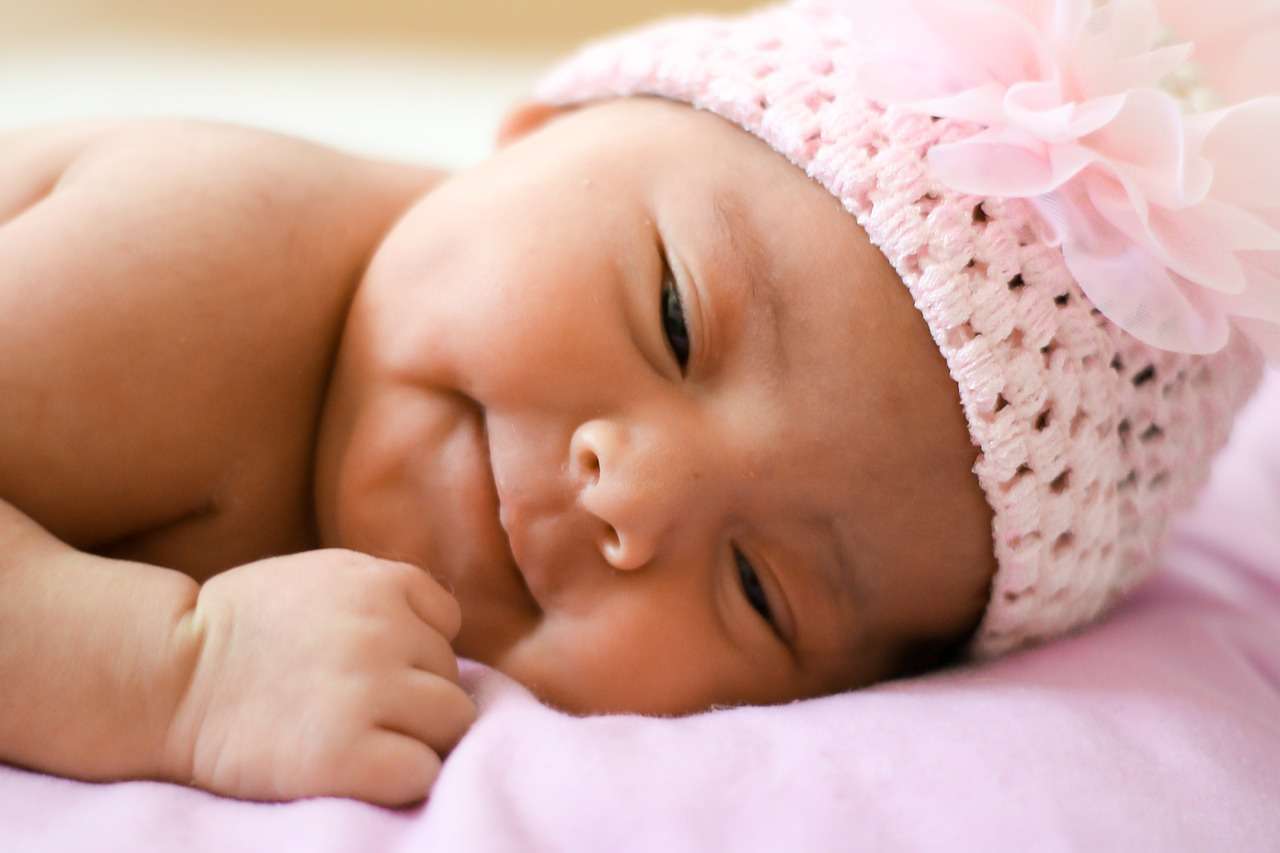

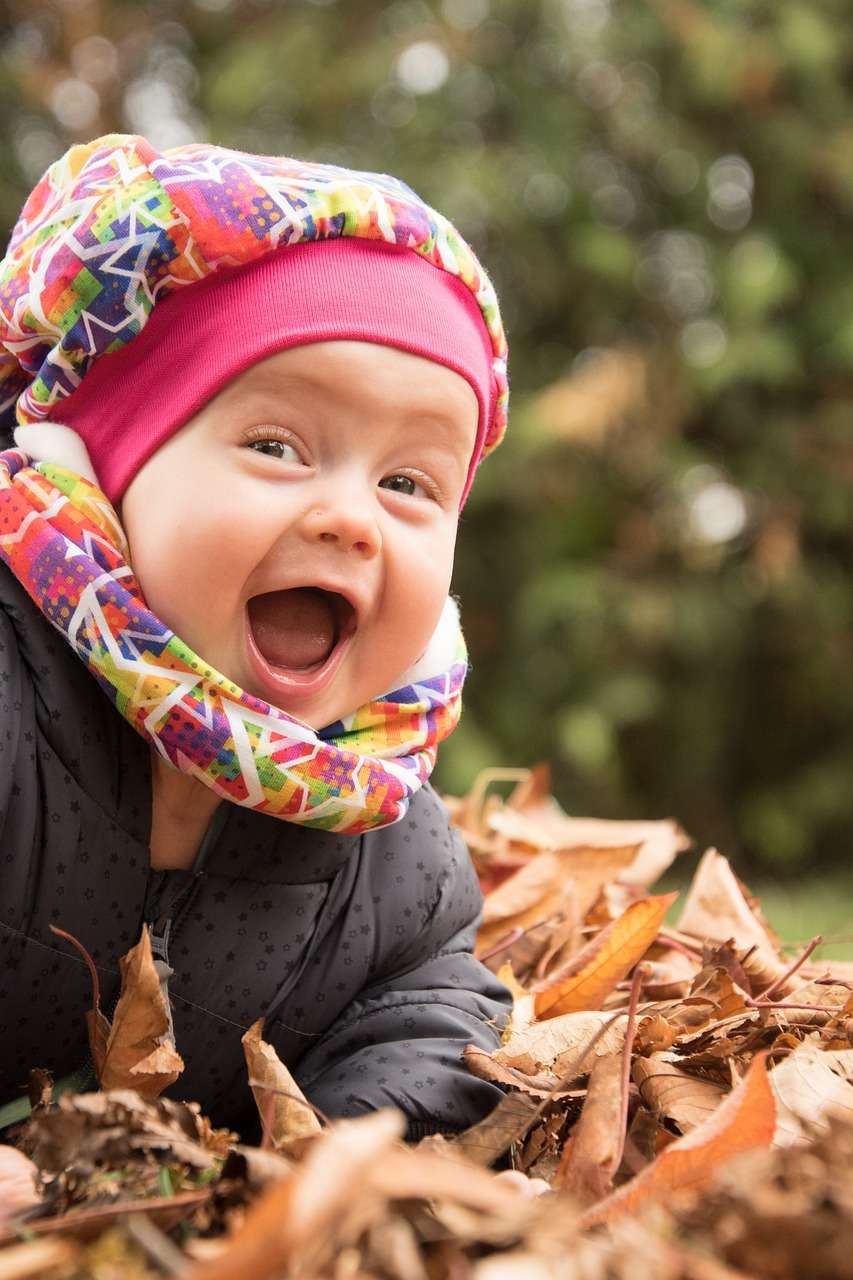
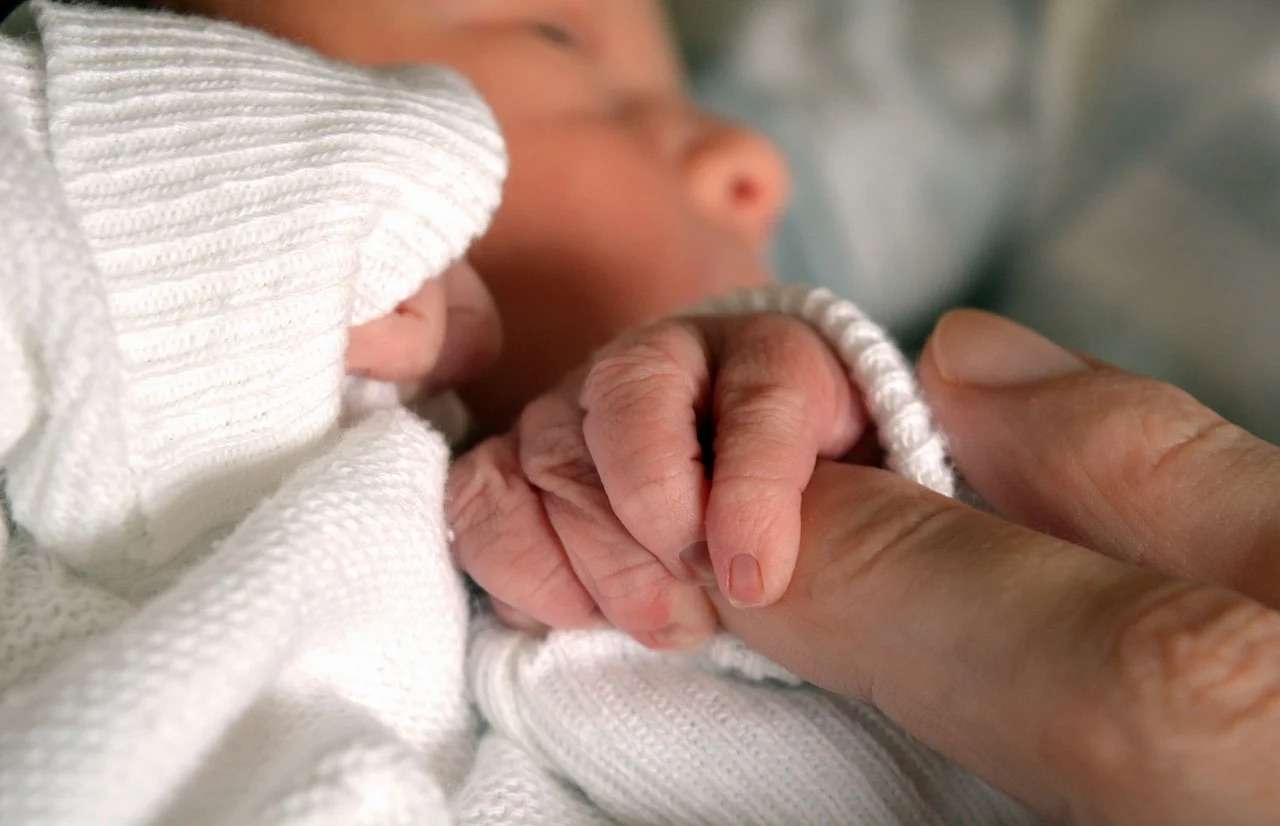
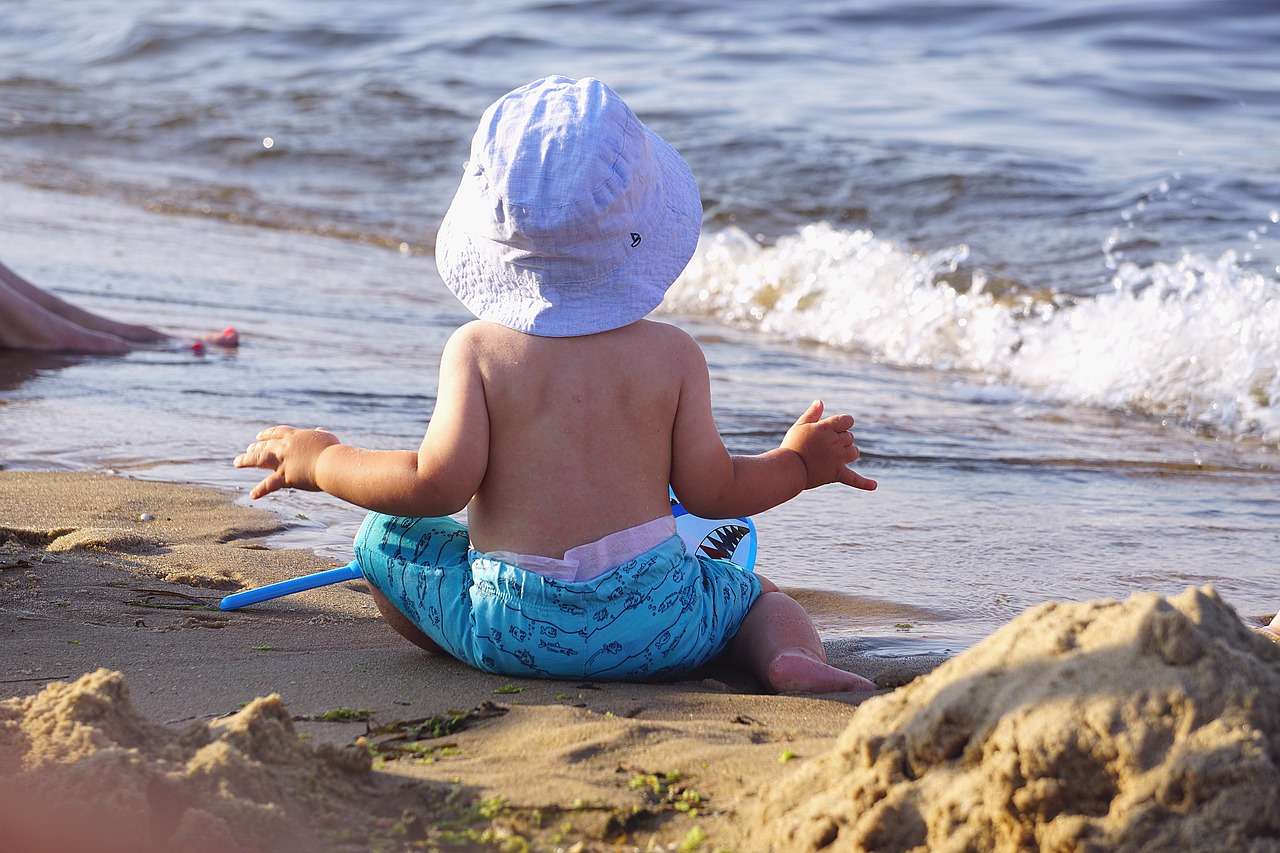




I offer prenatal and postnatal support in workshops, on a one-to-one basis or at home for the first few days after the birth.
Meet your child
A baby is a new member of the family. Welcoming them as such sometimes requires a bit of advice.
Understand him
Why is he crying? Why won't he calm down? So many questions that can make parents feel guilty...
3. Educate him
We often think we're doing the right thing, but are we really? Thanks to advances in neuroscience, new avenues of education are emerging.
"You can only see clearly with your heart. What is essential is invisible to the eye. Antoine de Saint Exupéry
Discussed subjects
- Post partum
- The role of dad
- The 4 vital needs
- Baby's emotions
- Your baby's place in the family
- Attachment
- Imitation, motor sharing for my baby's development
- Motor skills at the top
- Three apples tall and already full of humour
- What about mirror neurons?
- ……….